Casey Baumann · 2 September 2026
The latest figures from the Office for National Statistics indicate a significant downturn in UK steel production, prompting an urgent review of industrial policies by the government. Output fell by 8.5 percent in the last quarter, raising concerns about the sector's competitiveness and long-term viability. Analysts point to a combination of high operational costs and shifting market dynamics as primary factors.
Details of the Output Figures
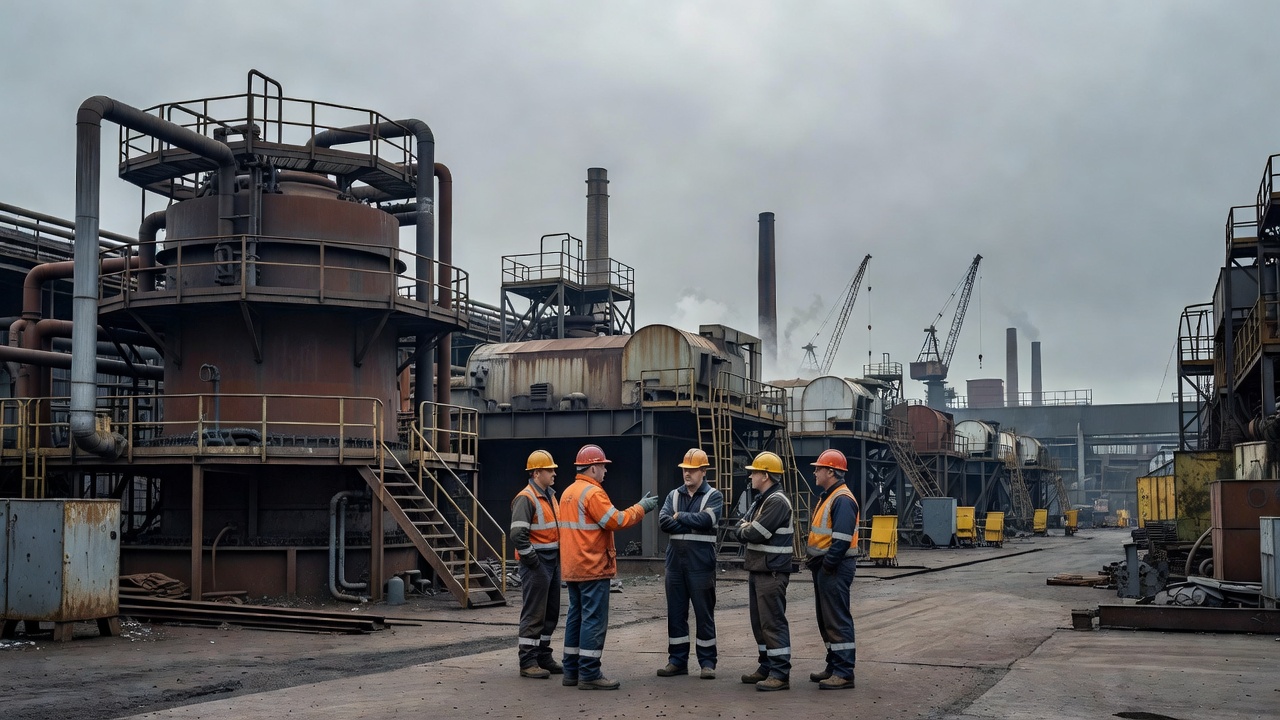
Production volumes dropped to 1.2 million tonnes, the lowest level since 2020. This decline is attributed to rising energy prices and increased competition from overseas markets. Major plants in Scunthorpe and Port Talbot have reported reduced shifts and temporary layoffs affecting over 1,500 workers. Industry experts highlight that imports now account for 65 percent of domestic steel consumption, up from 50 percent two years ago. Regional variations show the Midlands experiencing sharper falls due to supply chain disruptions.
Further breakdowns show flat steel products suffering the most with a 15 percent reduction, while specialty steels saw a milder 3 percent dip. The data has been corroborated by the UK Steel trade body, which called for immediate support measures including energy subsidies and tariff adjustments on imports. Historical comparisons reveal that output has not recovered to pre-pandemic levels despite earlier recovery efforts.
Policy Review Underway
In response, the Department for Business and Trade has initiated a comprehensive policy review to assess options for bolstering the industry. This includes potential investments in green steel technologies and workforce retraining programs. Officials aim to release initial findings within six weeks, with a focus on aligning with net zero targets. Consultation with key industry players is expected to inform recommendations on fiscal incentives.
Stakeholders from unions and manufacturers have welcomed the move but stress the need for swift action to prevent further erosion of capacity. Economic analysts warn that without intervention, the sector could lose an additional 10,000 jobs by 2026. The review will also examine international trade agreements and their impact on local producers. Broader economic implications include effects on related industries such as automotive and construction.
Overall, these developments underscore the challenges facing traditional manufacturing in the UK amid global economic shifts. Continued monitoring of output trends will be essential for informed decision-making in the coming months. Policymakers are urged to balance short-term relief with sustainable long-term strategies.