Harper Krüger · 18 October 2026
UK Forge Collectives Adopt Shared Carbon Tracking Tools to Meet New Rural Emission Standards
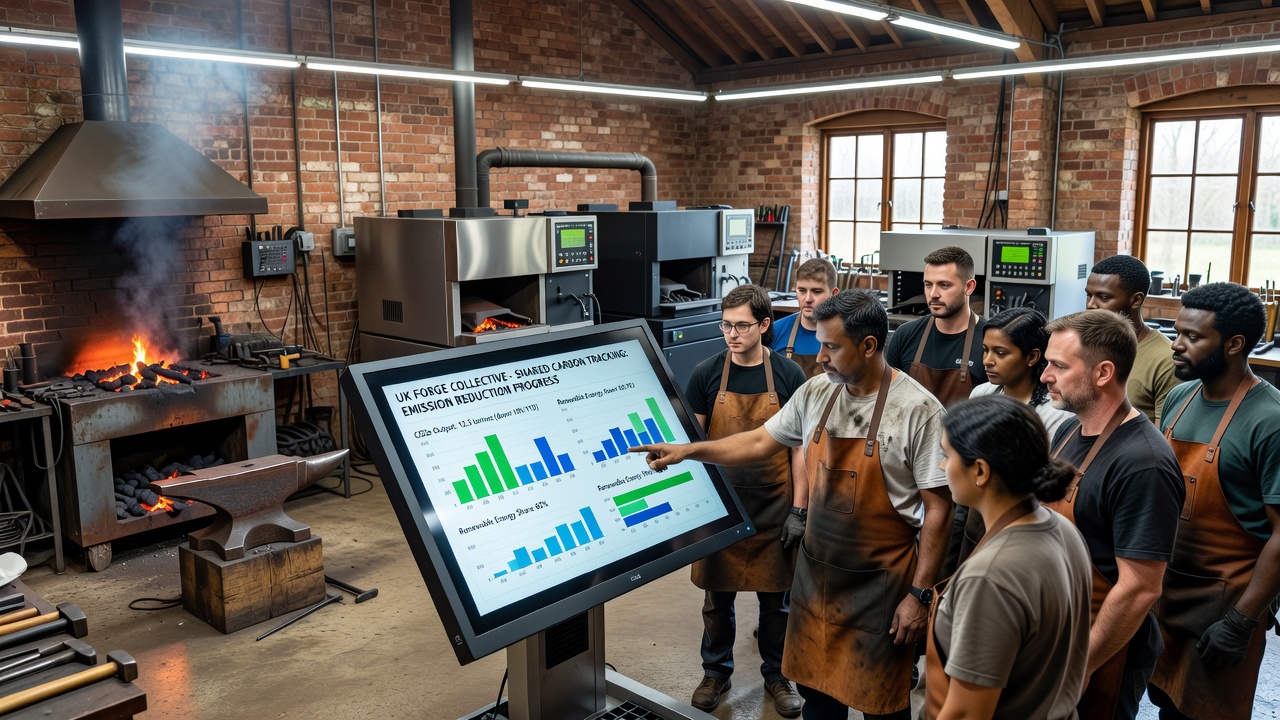
Collectives across rural regions of the United Kingdom have begun rolling out shared carbon tracking tools as fresh emission standards for agricultural and industrial sites take shape, with full enforcement scheduled for October 2026. These standards, introduced through updated rural development guidelines, require facilities to monitor and report greenhouse gas outputs from forging operations that rely on traditional coal-fired or gas-powered equipment. Groups in areas such as the Scottish Highlands and the Welsh valleys have pooled resources to implement digital platforms that log energy use, material inputs, and waste streams in real time, allowing smaller operations to meet compliance thresholds without individual investments in standalone software.
Background on Rural Emission Standards
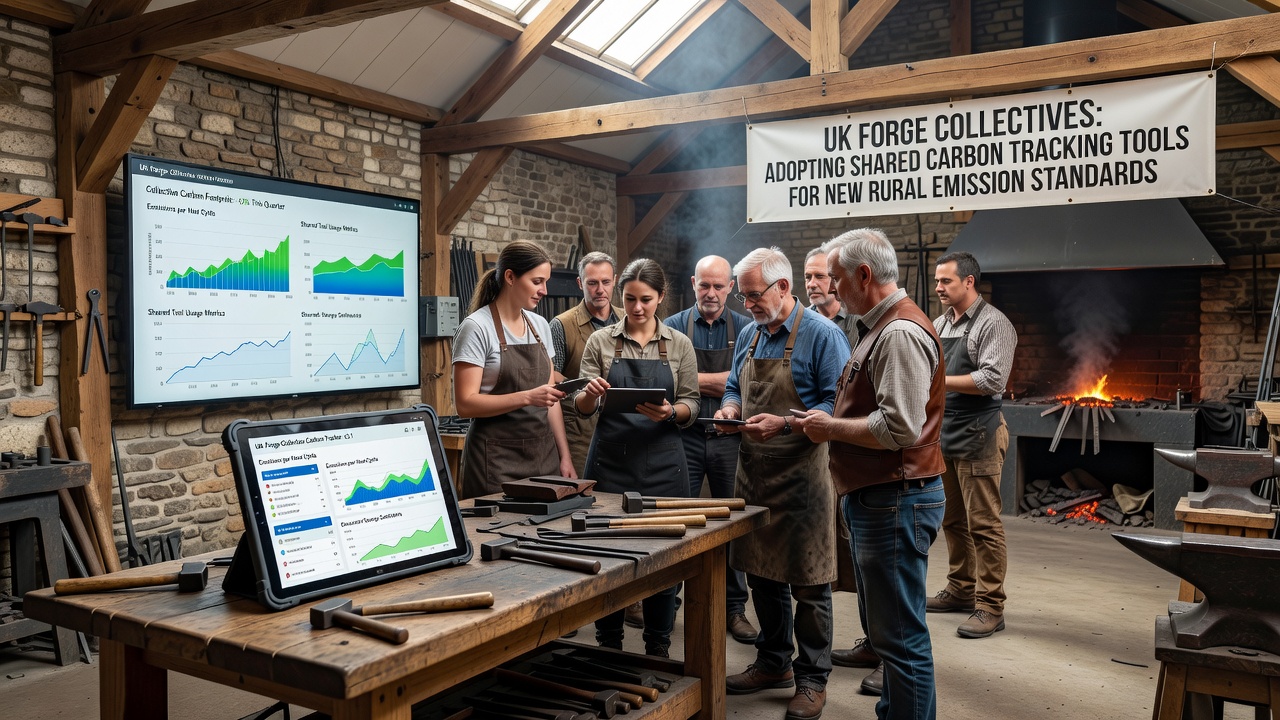
New rules from the Department for Environment, Food and Rural Affairs build on earlier frameworks that targeted larger industrial emitters, yet they now extend monitoring obligations to dispersed forge sites in countryside locations where farming and metalworking often overlap. Data compiled by regional authorities shows that forging activities contribute measurable portions of methane and carbon dioxide through fuel combustion and process heat, prompting the need for precise tracking systems. Collectives formed under these guidelines share access to cloud-based dashboards that aggregate sensor readings from multiple workshops, creating unified reports that satisfy regulatory submissions while highlighting opportunities for efficiency gains in fuel consumption and scrap recycling.
Implementation of Shared Tracking Platforms
Technicians at participating sites install standardized IoT sensors on forges, hammers, and kilns to capture temperature profiles, fuel flow rates, and production volumes. These readings feed into a common interface developed through partnerships between local trade associations and software providers, with initial pilot programs launched in early 2025 expanding ahead of the October 2026 deadline. The platforms calculate equivalent carbon emissions using established conversion factors published by international bodies, then generate compliance documents that individual forges can submit directly to oversight agencies. One collective in northern England reported that shared access reduced per-site setup costs by nearly half compared with proprietary systems, while maintaining data accuracy verified through third-party audits.
Case Examples from Regional Groups
Observers note that a network of forges in Cornwall integrated the tools with existing farm management software to cross-reference emissions from both livestock operations and metal heating processes, revealing correlations between seasonal workload peaks and higher output spikes. Similarly, groups in the Lake District coordinated training sessions where operators learned to interpret dashboard alerts for excess energy draw during annealing cycles, leading to adjustments in scheduling that lowered overall fuel demand. Figures from these deployments indicate consistent month-over-month declines in reported emissions intensity when compared against baseline measurements taken before tool adoption.
Data Integration and Regulatory Alignment
The tracking systems align with reporting templates required under the updated rural emission protocols, which draw from methodologies outlined in UK government climate guidance documents. Integration also incorporates benchmarks from the European Environment Agency's industrial emissions database, allowing collectives to benchmark their performance against continental peers engaged in similar forging activities. Researchers at several UK universities have contributed validation protocols that ensure sensor calibration remains consistent across shared networks, addressing concerns about data integrity when multiple operators contribute inputs to the same repository. As October 2026 approaches, participating sites continue to refine alert thresholds that flag deviations from expected emission curves during high-volume production runs.
Broader Industry Effects
Trade organizations tracking adoption rates report that over thirty collective agreements now cover approximately two hundred individual forge workshops, with expansion underway in additional counties. These arrangements facilitate bulk procurement of monitoring hardware and joint negotiations with regulators on verification procedures. Evidence from early adopters suggests the approach supports continued operation of heritage forging techniques by offsetting compliance expenses through economies of scale, while preserving the distributed nature of rural metalworking clusters. Additional modules under development include predictive analytics that forecast emission impacts from planned equipment upgrades, drawing on historical production logs stored within the shared platforms.
Conclusion
Shared carbon tracking tools have emerged as a practical mechanism for UK forge collectives to address new rural emission standards ahead of the October 2026 enforcement date. Through coordinated sensor networks and unified reporting interfaces, these groups compile verifiable data that meets regulatory requirements while supporting operational adjustments in fuel and material management. Continued refinement of the platforms, informed by ongoing sensor readings and cross-regional comparisons, positions the collectives to maintain compliance as standards evolve.