Harper Krüger · 2 September 2026
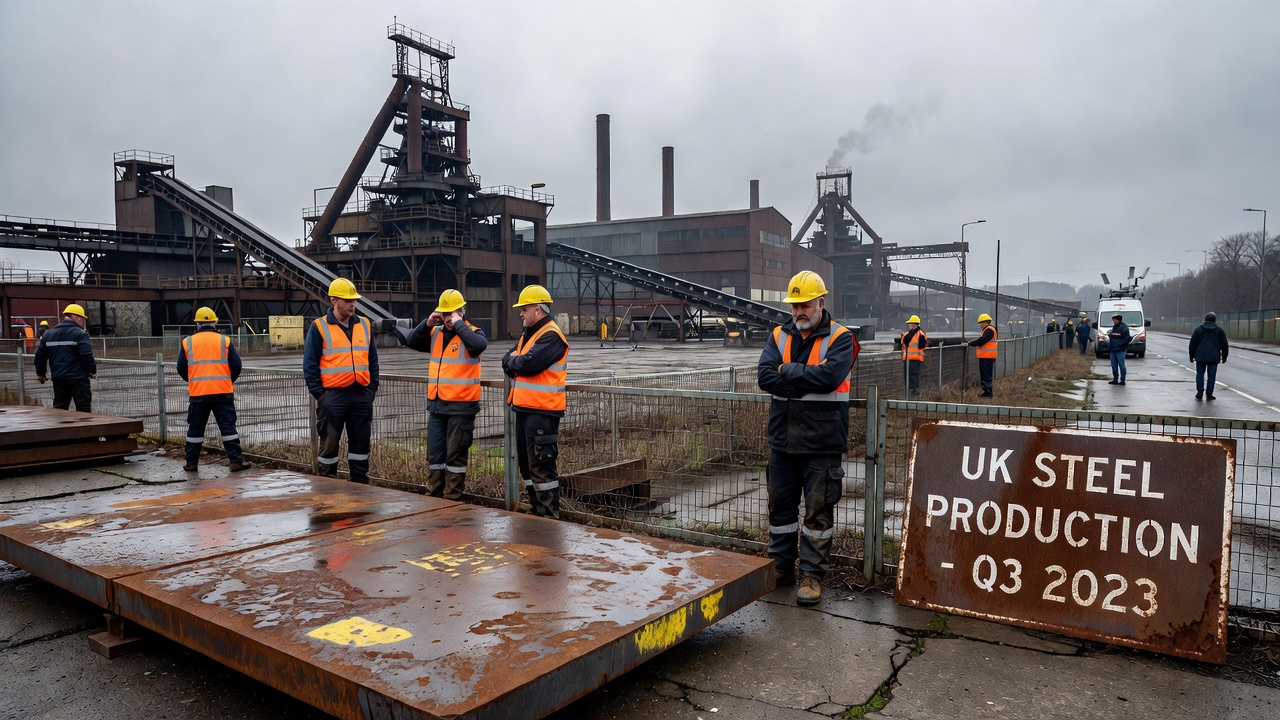
The latest data on UK steel production has revealed a significant downturn, prompting ministers to initiate a full-scale review of industrial policies. Figures released by the Office for National Statistics indicate that crude steel output fell by 8.2 per cent in the last quarter compared to the previous year. This marks the steepest decline since 2020 and has raised concerns across manufacturing and supply chain sectors.
Analysis of Production Trends
Industry experts attribute the decline to a combination of rising energy costs, global market fluctuations and post-Brexit trade barriers. Major plants in Port Talbot and Scunthorpe have reported reduced shifts, with employment in the sector dropping by approximately 1,200 jobs over six months. The British Steel Association has called for urgent support measures including subsidies for green technology transitions and relief from high electricity tariffs that exceed European averages. Comparisons with European counterparts show that while Germany and France maintained stable outputs, the UK lagged behind due to higher domestic electricity prices and weaker export demand from key markets in Asia. Analysts suggest that without intervention, further closures could occur by 2025, threatening the viability of remaining blast furnaces and rolling mills. Regional economies in Wales and Yorkshire face particular risks, as steel-related activity supports thousands of indirect jobs in logistics and engineering services.
Policy Review and Industry Outlook
In response, the Department for Business and Trade has announced a cross-departmental review to assess long-term viability of the steel sector. This will include consultations with unions, manufacturers and environmental groups. Potential outcomes range from tax incentives for low-carbon production to revised import tariffs aimed at protecting domestic producers. Stakeholders emphasise the strategic importance of domestic steel for infrastructure projects and defence manufacturing. The review is expected to conclude within three months, with interim recommendations due next week. Government sources indicate a focus on aligning steel policy with net-zero targets while safeguarding jobs. Broader challenges facing UK manufacturing amid economic uncertainties are also under examination, including access to raw materials and skills shortages in specialised welding and metallurgy roles.