Casey Baumann · 2 September 2026
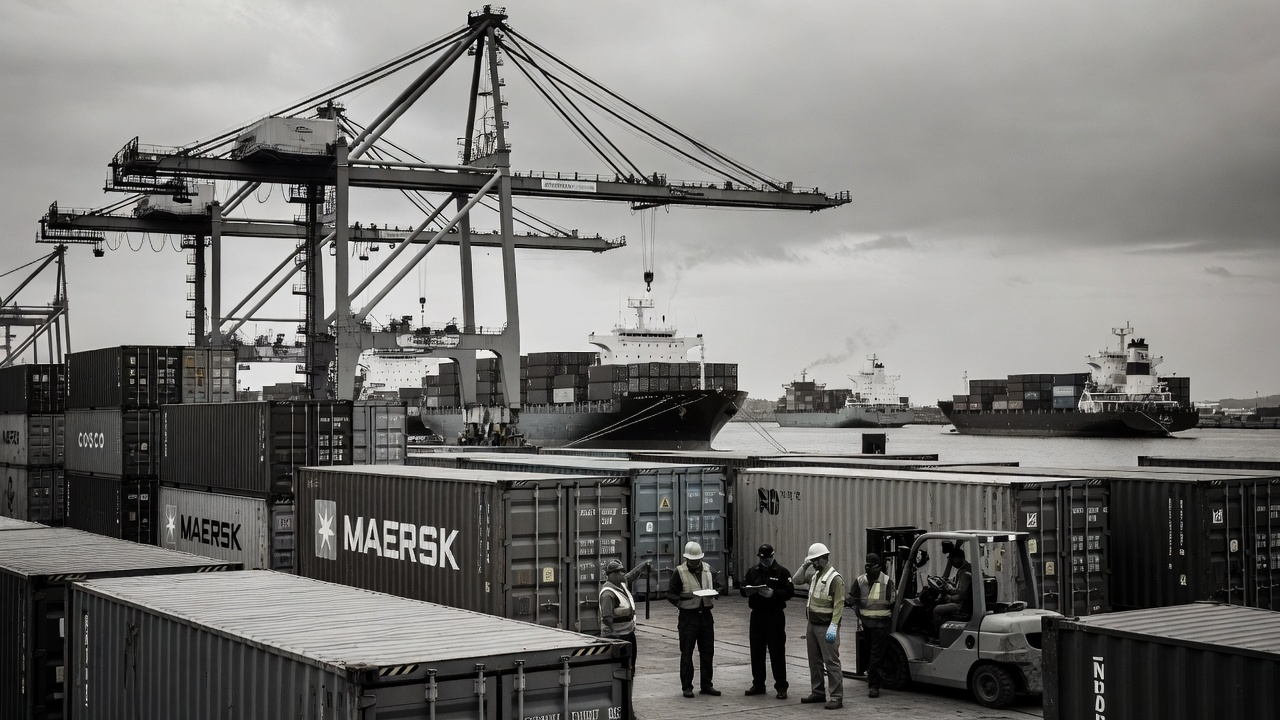
New international port security regulations have begun reshaping maritime trade, with stricter inspection protocols and digital tracking mandates taking effect across major hubs. Authorities cite rising threats from smuggling and cyber intrusions as primary drivers behind the overhaul.
Key Provisions in the Updated Framework
The rules require vessels over 500 gross tons to install advanced biometric access systems and submit real-time cargo manifests 48 hours before arrival. European and Asian ports lead implementation, with fines reaching $250,000 for non-compliance. Smaller operators report difficulties meeting the technical standards, prompting calls for phased rollouts in developing regions.
Insurance premiums for affected routes have risen 12 percent on average, according to maritime analysts. Governments emphasize that the measures align with existing UN conventions while adding layers of verification at choke points such as the Suez Canal and Singapore Strait.
Consequences for Shipping and Supply Chains
Delays averaging 18 hours per vessel have already surfaced at Rotterdam and Shanghai, pushing some carriers to reroute via secondary ports in the Mediterranean and Indian Ocean. Bulk commodity traders face higher costs for perishable goods, while container lines explore partnerships with regional feeders to bypass congested terminals.
Industry groups warn of potential shortages in electronics and pharmaceuticals if congestion persists through peak season. Meanwhile, ports investing in automated gates and AI screening report faster clearance times, suggesting long-term efficiency gains once full adoption occurs. Trade volumes between Europe and East Asia dipped 3 percent in the first month of enforcement, though officials expect stabilization as operators adjust schedules and documentation processes.