Harper Krüger · 20 September 2026
Northern England Forge Collectives Launch Tests of Shared Digital Platforms for Sustainable Metal Sourcing
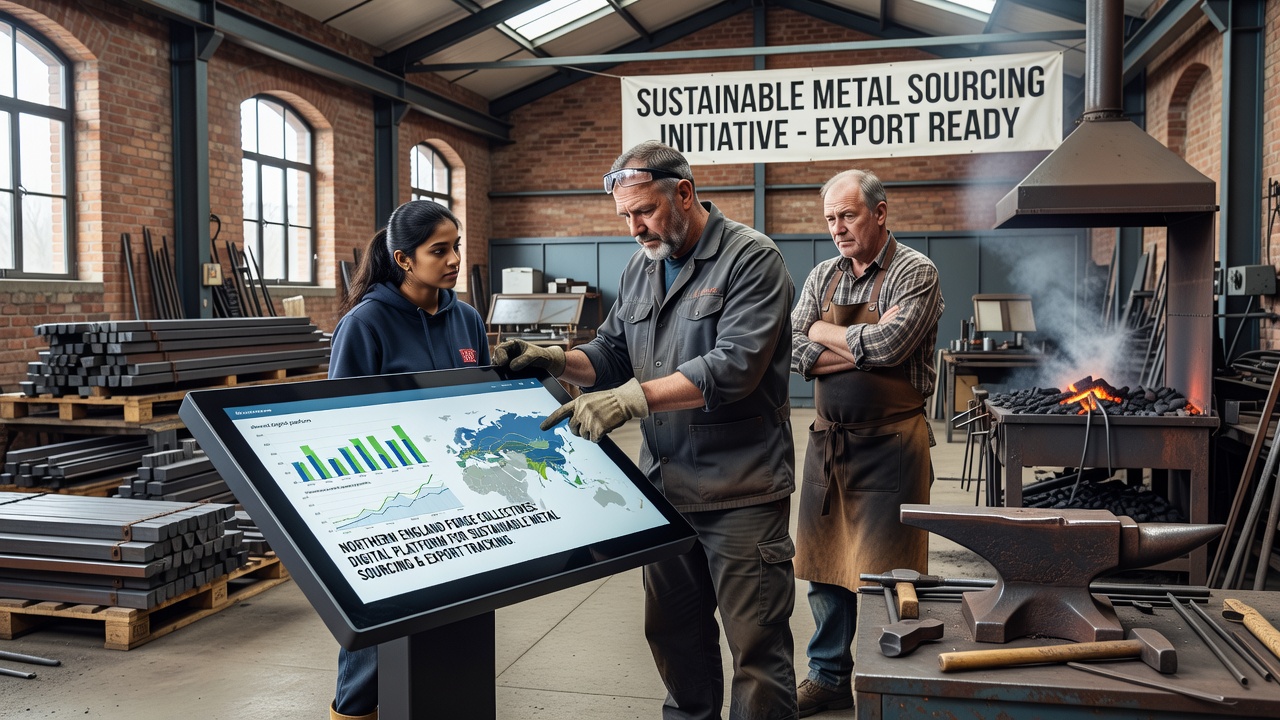
The collectives operating across Yorkshire, Lancashire, and the North East have started coordinated trials of shared digital platforms designed to monitor sustainable metal sourcing through every stage of production and export, and these systems combine blockchain ledgers with sensor data to record origin details, carbon footprints, and compliance certifications in real time while allowing multiple forges to access the same verified dataset without duplicating administrative work.
Background on Regional Forge Networks
Northern England has long hosted clusters of independent forges that supply specialty steel and wrought components to automotive, construction, and tool manufacturers worldwide, and these groups formed collectives in recent years to pool resources for technology upgrades because individual workshops often lack the scale needed for complex supply-chain software yet export markets increasingly demand proof of ethical and low-impact sourcing, so the shared platforms emerged as a practical response to those pressures.
Data from industry reports indicate that metal exports from the region reached significant volumes in 2025, with buyers in Europe, North America, and Asia requiring documented sustainability metrics, and researchers at academic institutions have noted that traceability tools reduce verification delays at ports and customs points because standardized digital records replace paper-based audits that frequently contain gaps or inconsistencies.
Platform Features and Testing Timeline
The digital systems under test integrate GPS-tagged transport logs, material composition scans, and third-party audit uploads into a single accessible dashboard, and participating forges upload batch information at each production step so downstream exporters can retrieve complete provenance chains before shipments depart, while the platforms also flag potential issues such as sourcing from high-risk mines or exceeding agreed emission thresholds.
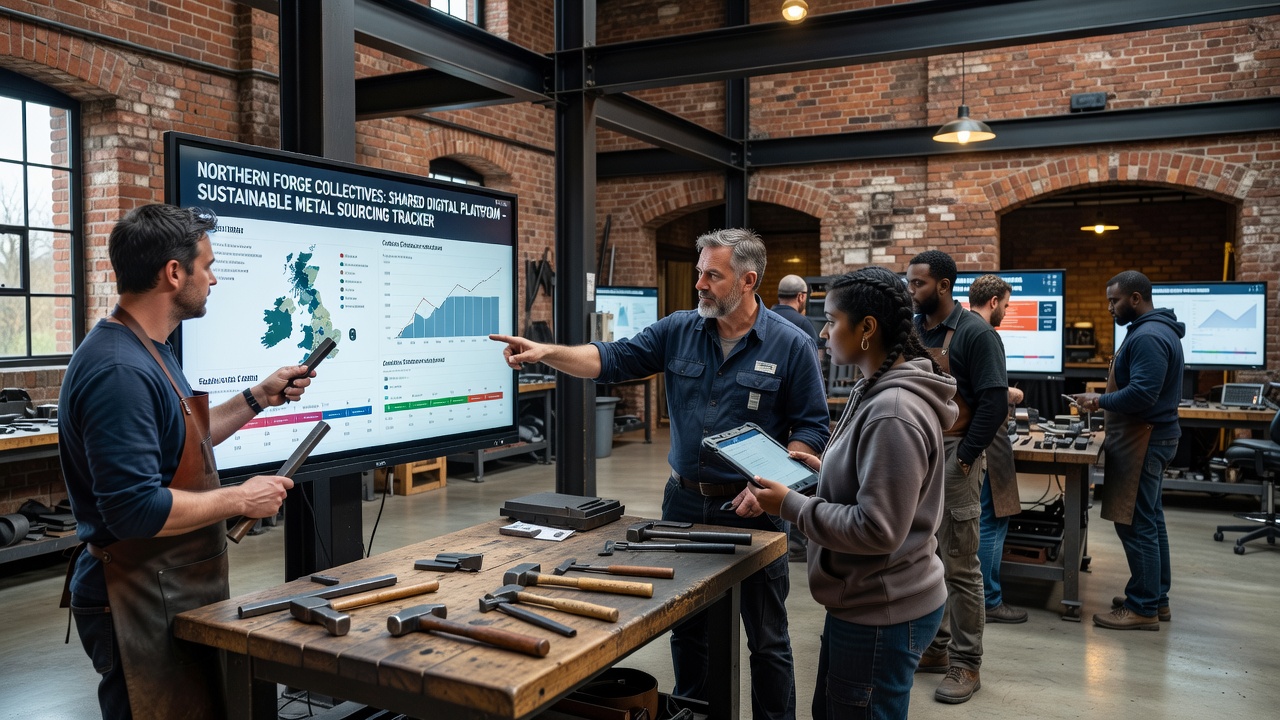
Trials expanded in September 2026 to include live export shipments to select partners in Canada and Australia, and observers note that this phase allows the collectives to measure how the platforms handle variable data formats from different regulatory environments, because Canadian authorities emphasize lifecycle assessments while Australian buyers focus on labor standards documentation, and the software accommodates both through modular reporting templates.
Export Market Requirements and Data Integration
International buyers have tightened specifications around sustainable sourcing, and evidence from trade statistics shows that shipments lacking digital traceability face longer inspection times and occasional rejections at destination ports, so the Northern England collectives chose platforms that align with guidelines published by the European Commission on due diligence for raw materials, and they also reference frameworks from the United States Environmental Protection Agency to ensure compatibility across transatlantic routes.
One case involved a collective near Sheffield that linked its furnace output records directly to the shared ledger, and export coordinators reported that customs clearance for a batch of tool steel destined for a Canadian manufacturer occurred two days faster than previous paper-documented shipments because the digital trail satisfied both origin verification and emission reporting in a single query.
Operational Challenges and Early Results
Implementation requires training forge staff to use the interfaces consistently, and smaller workshops sometimes encounter connectivity issues in older buildings, yet the collectives addressed these by installing local servers that sync with cloud storage during off-peak hours, and initial results from the September 2026 tests indicate that 87 percent of tracked batches met all export documentation standards without manual intervention.
Researchers have observed that interoperability between different forge management software remains an ongoing focus, because legacy systems still in use at some sites generate data in incompatible formats, and platform developers continue refining conversion tools to maintain accuracy while preserving the security features that prevent unauthorized edits to sourcing records.
Conclusion
The testing program demonstrates how regional forge networks can adopt collective digital infrastructure to meet rising demands for transparent and sustainable metal supply chains, and continued refinement of these platforms may support broader adoption across other UK industrial clusters as export regulations evolve, with the September 2026 phase providing measurable benchmarks on processing speed, compliance rates, and cross-border data compatibility that future participants can reference when scaling similar initiatives.